
Termite Control for Every Species That Threatens Your Home
From subterranean and Formosan colonies underground to drywood termites inside your walls, we find the termites that are there and treat them the right way.
Get My Free Inspection
Fill out the form below for an instant response.
Protecting South Florida Homes From Every Type of Termite
South Florida’s warm, humid climate is home to more destructive termite species than almost anywhere else in the country. Each one lives, feeds, and spreads differently, so the right treatment depends on which species you’re dealing with.
- Eastern subterranean termites live underground and travel through mud tubes to reach the wood in your home. They are the most widespread termite in Florida.
- Formosan and Asian subterranean termites are invasive species. Their colonies can number in the millions and cause severe damage much faster than native species. They can also build nests above ground inside walls, roofs, and other moist spots.
- Drywood termites don’t need soil at all. They live inside the wood they eat, including attic framing, walls, furniture, and trim, and often go unnoticed for years.
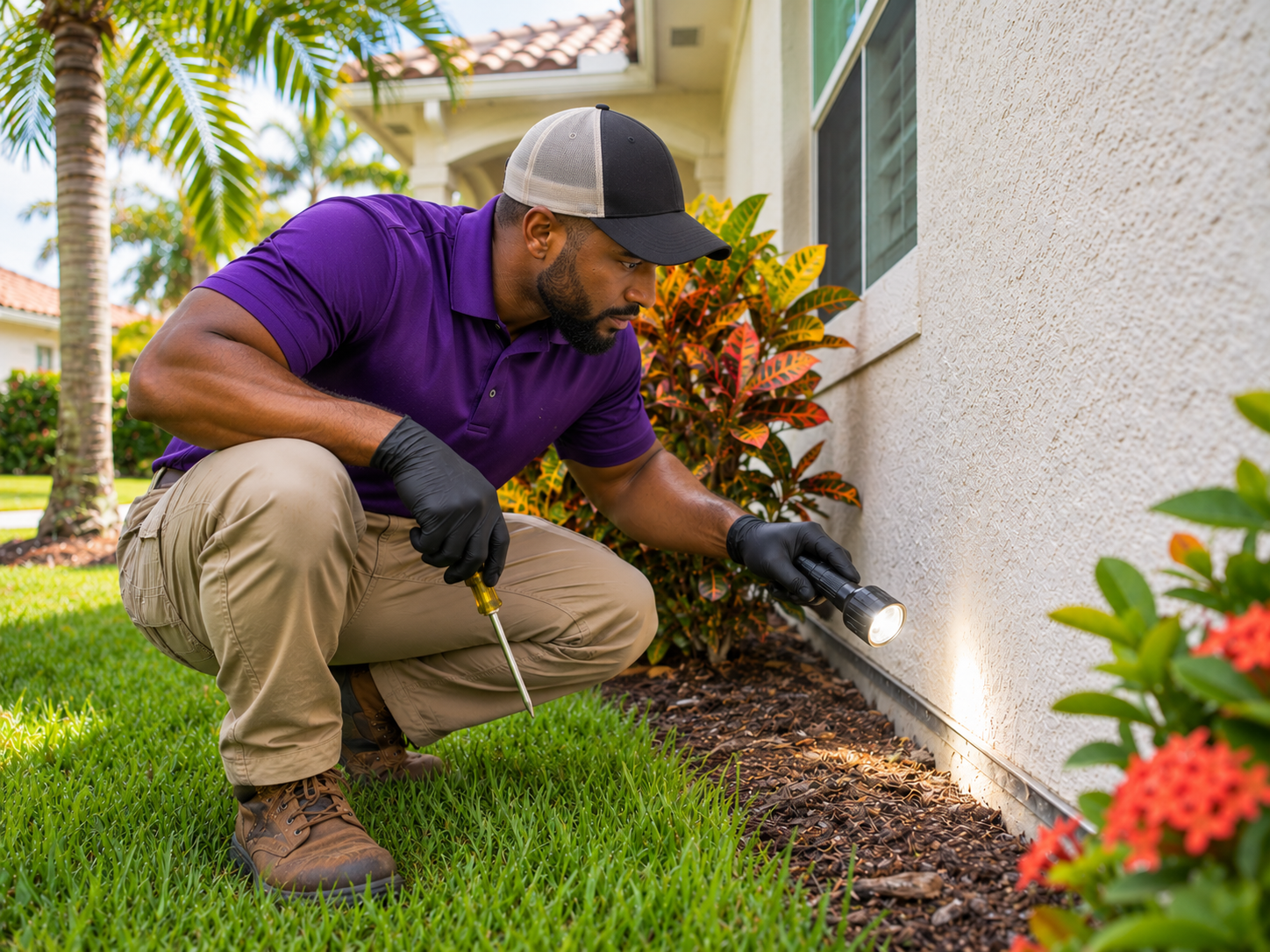
At Bugged Out Pest Control, our termite specialists start with a thorough inspection to identify the species, how far the activity has spread, and how your home is built. Then we recommend the most effective and least disruptive treatment. Options include the Trelona® Colony Elimination System, Termidor® liquid treatments, no-tent and spot treatments, and whole-structure fumigation.
Ready to Get Rid of Termites for Good?
Subterranean & Formosan Termite Treatment
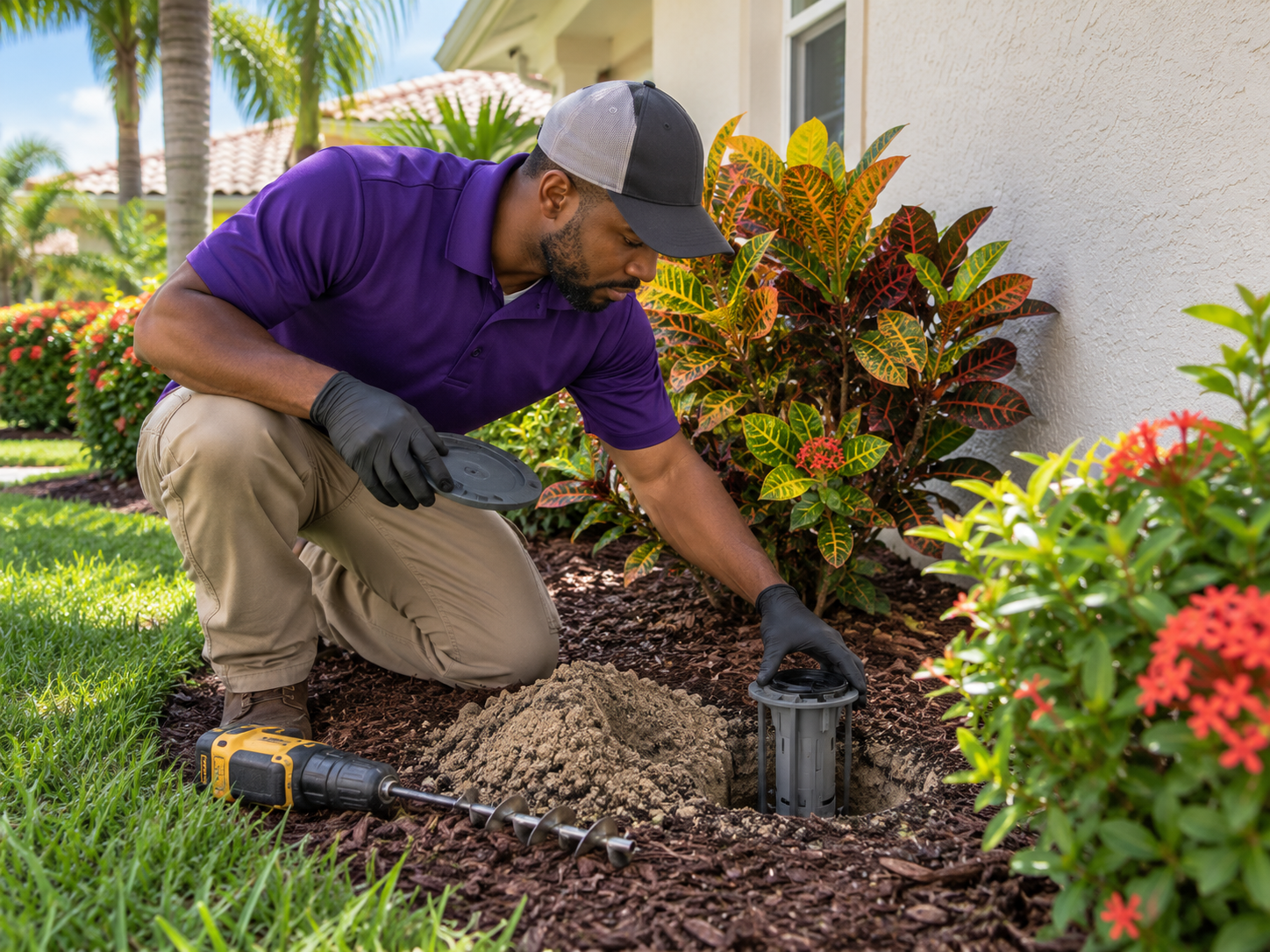
Subterranean species, including the aggressive Formosan and Asian termites, nest in the soil, so they are treated from the ground rather than by tenting. Our main approach is the Trelona® Colony Elimination System. We place bait stations in the soil around your home, and foraging termites carry the bait back to share with the rest of the colony. Over time this eliminates the colony from within, and the stations keep monitoring for new activity.
In some situations we recommend a Termidor® liquid treatment, either alone or alongside Trelona. Examples include:
- Activity heavily concentrated near the structure
- Construction features that limit bait station placement
- Active infestations that need faster control
- Cases where an added soil barrier gives real extra protection
Drywood Termite Treatment, With or Without Tenting
Drywood termites live inside the wood itself, so we treat them where they live. Depending on how far the infestation has spread, we offer three options:
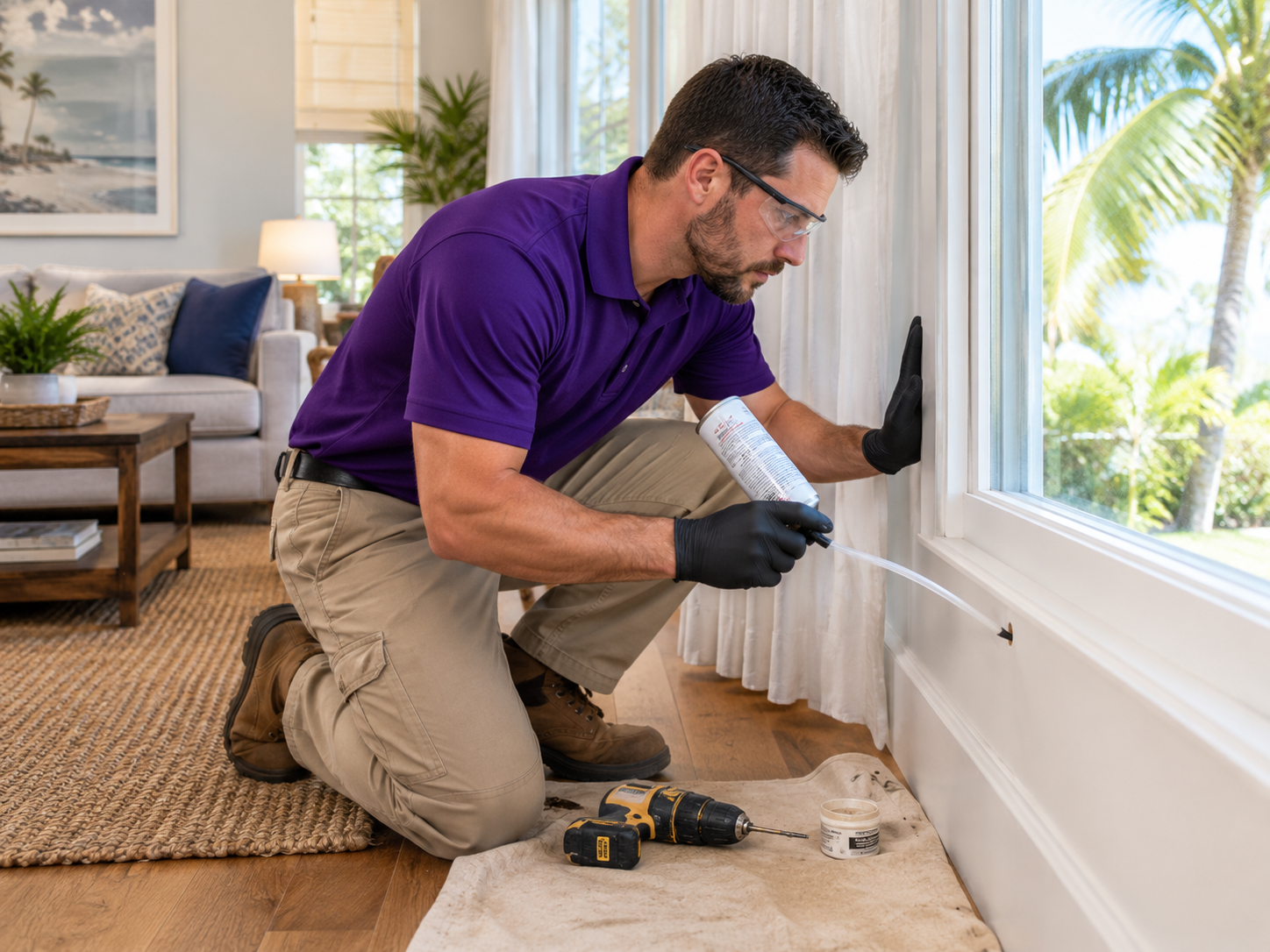
- No-tent treatments. These treat the affected areas without fumigation, so you can usually stay home and keep to your normal routine.
- Localized spot treatments. For early or small, accessible infestations, our technicians find the termite galleries and treat the infested wood directly.
- Whole-structure fumigation. When termites have spread through several areas of the home, tenting is the gold standard. The fumigant reaches deep into the wood to eliminate every colony, including hidden ones.
Know the Signs Before the Damage Is Done
Most termite damage happens out of sight, and most homeowners insurance policies don’t cover it. Watch for these warning signs:
- Mud tubes along foundations, walls, or slabs (subterranean and Formosan)
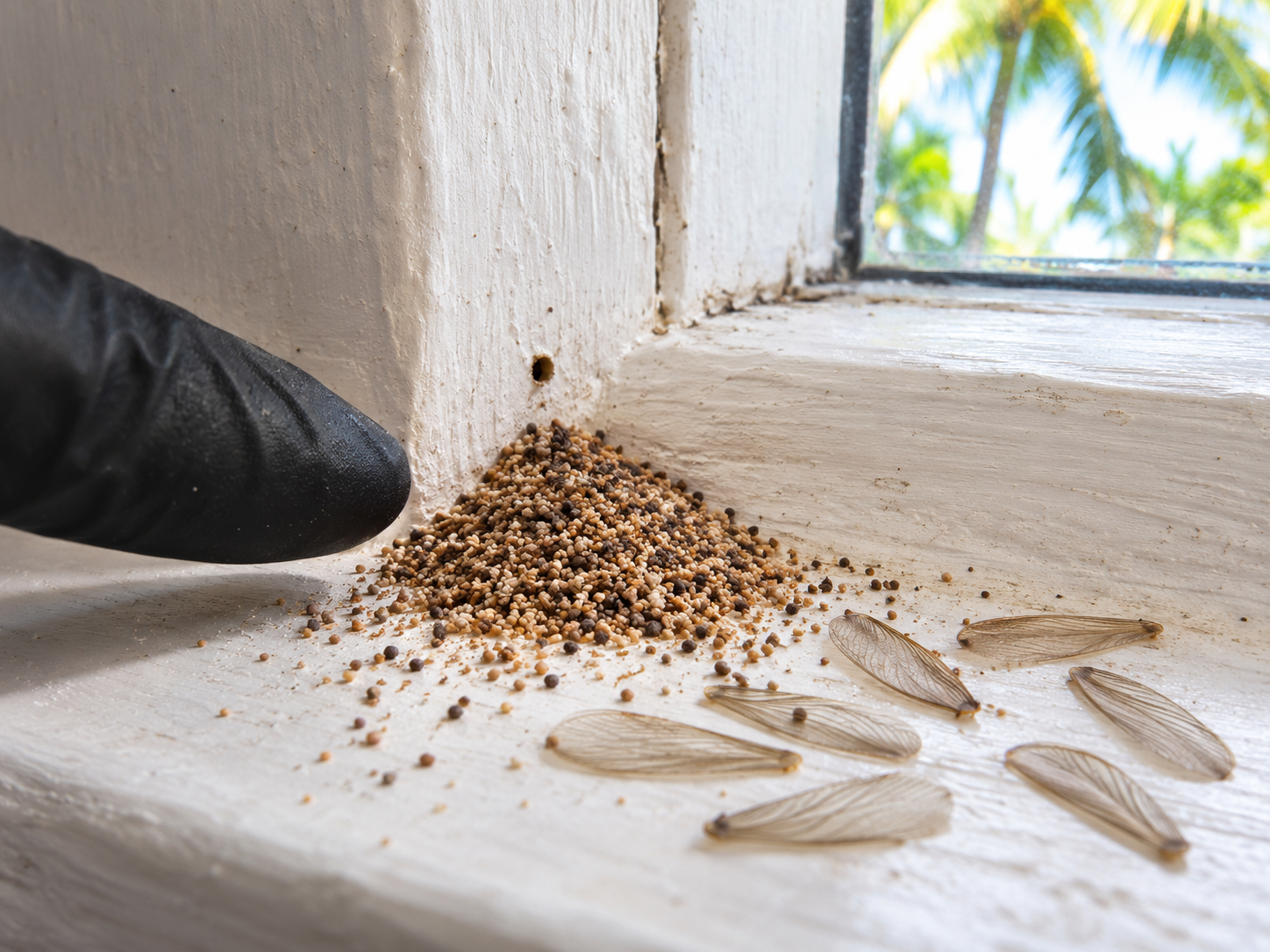
- Small piles of pellet-like droppings near baseboards, windowsills, or furniture (drywood)
- Discarded wings or swarmers near windows, doors, or light fixtures
- Hollow-sounding, blistered, or damaged wood
Swarm season in Florida runs from late winter into summer, depending on the species. Formosan swarmers fly on warm evenings and are drawn to lights. If you see winged termites or any of these signs, schedule an inspection. With 20+ years protecting Treasure Coast homes, we’ll find the problem and build a treatment plan that fits your home.
Termite Control Frequently Asked Questions
What are the signs of subterranean termites on my property?
Common signs of subterranean termites include mud tubes running along foundations or walls, hollow-sounding wood when tapped, discarded wings near windows or doors, and small holes or blistering in wood surfaces. Because most damage happens out of sight, an early inspection is often the best way to catch activity before it becomes serious.
Are subterranean termites covered by homeowners insurance?
Typically, no. Most standard homeowners insurance policies don't cover termite damage, since it's classified as a preventable maintenance issue rather than a sudden, accidental event like a fire or storm. This makes proactive termite protection and regular inspections especially important, since repair costs for structural termite damage usually fall entirely on the homeowner.
Do subterranean termites require tenting?
No. Subterranean termites live in the soil, not inside the wood itself, so tenting, which is designed to fumigate wood-dwelling drywood termites, isn't an effective treatment for them. Subterranean termites are instead treated through soil-based methods like baiting systems or liquid barrier treatments, without the need for tenting your entire home.
Can drywood termites come back after treatment?
While treatment eliminates the existing colony, drywood termites can re-infest a structure over time since new swarmers can enter through untreated wood or small openings. Regular inspections and monitoring help catch new activity early, especially in homes with a history of termite problems.
What's the difference between termite baiting and liquid treatment?
Baiting systems place stations in the soil around your home, letting termites carry bait back to eliminate the entire colony over time. Liquid treatments create a barrier in the soil that kills termites on contact or through transfer within the colony. Both methods target termites underground, but they work through different mechanisms and timelines.
When is termite swarming season in Florida?
In Florida, subterranean termite swarming season typically peaks in the spring, often following warm, humid conditions after rainfall, though timing can vary somewhat by species and region. Swarms are usually a sign of an established nearby colony, making this a good time to schedule an inspection if you notice winged termites.
How do I know if I have drywood termites?
Common signs include small piles of pellet-like droppings (frass) near baseboards or furniture, hollow-sounding wood when tapped, tiny kick-out holes in wood surfaces, and discarded wings near windowsills or doors. Since drywood termites don't need soil contact, infestations can show up anywhere in the home, including furniture and attic framing. A professional inspection is the most reliable way to confirm an infestation and determine its extent.
Do I need to leave my home during treatment?
For no-tent treatments and spot treatments, you can generally stay in your home since these methods target specific areas rather than the entire structure. Whole structure fumigation requires everyone, including pets and plants, to vacate the property for the duration of the process for safety reasons.
How do I know which treatment option is right for my home?
The right approach depends on how widespread the infestation is. Isolated activity in one or two areas often responds well to no-tent or spot treatments, while termites spread throughout multiple areas of the structure typically call for whole structure fumigation. Our termite specialists perform a thorough inspection to identify the extent of the problem and recommend the most effective, least disruptive option.
How much does drywood termite treatment cost?
Treatment cost depends on the size of your home, the extent of the infestation, and which method is recommended after inspection. We offer a free inspection to assess the scope of the problem and provide clear, upfront pricing before any treatment begins. Give us a call today at (772) 562-1515.
How much does subterranean termite treatment cost?
It depends on your home and the level of termite activity we find. Most homes are protected with our Premier plan, which includes Trelona® bait station installation, quarterly termite monitoring, year-round pest control, and two exterior rodent bait stations. Premier starts at $119/month on a 24-month agreement, and paying more upfront for installation lowers your monthly rate. Some homes need a liquid trench-and-treat barrier instead of baiting or in addition to it, priced by your home’s size and foundation access. Call (772) 562-1515 or request your free termite inspection for an exact, upfront quote.
What Our Customers Say
We take pride in every home we protect. Here's what your neighbors are saying.
50% Off Your First Quarterly Treatment
Take the first step toward a pest-free home. Sign up for our annual protection plan today and save half on your initial service.
- New customers only
- Comprehensive full-home barrier
- Limited time special offer - claim your offer before it expires
Fill out the form below for an instant response.
Service Areas
Providing exceptional local service across the South Florida's Treasure Coast and Space Coast.
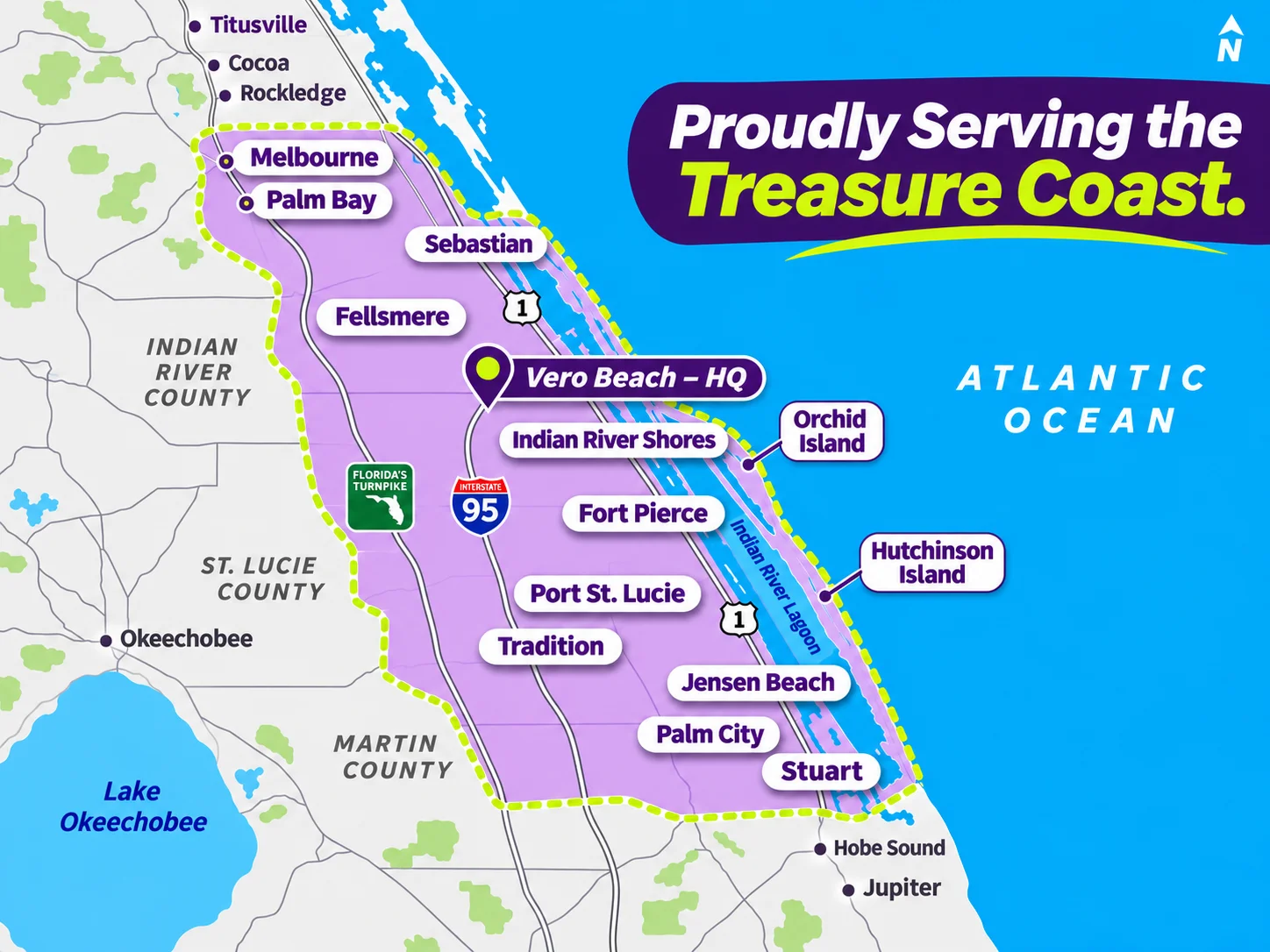
St. Lucie County
Indian River County
Martin County
Brevard County
Don't see your city listed? We're constantly expanding our reach.